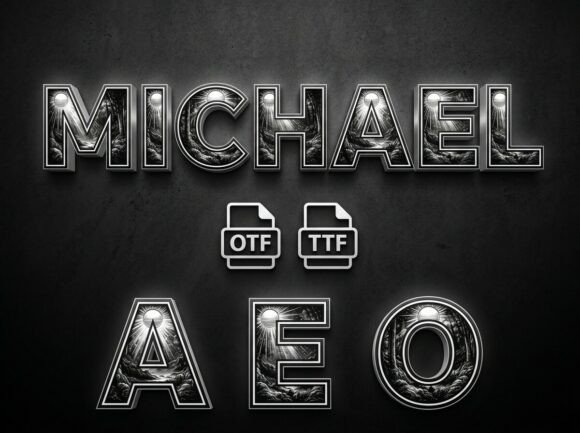
Michael: A Bold Display Typeface for Modern Brands
There’s a moment in every design project when you realize the typography needs to do more than just present words—it needs to make a statement. Whether you’re crafting a logo for a new startup, designing packaging that jumps off the shelf, or creating social media graphics that stop the scroll, the font you choose carries the weight of your brand’s personality. Enter Michael, a decorative display typeface that doesn’t just sit quietly on the page but commands attention with its strong, artistic presence.
When Your Project Needs a Visual Anchor
Michael is built for high-impact moments. It’s the kind of typeface you turn to when a project calls for something distinctive, something that feels curated and intentional. Think of it as the centerpiece of your visual language—ideal for bold headlines, artistic logos, and creative packaging where every letter is treated as a design element. Because it’s an all-caps display font, it’s engineered for scenarios where uppercase letters create the right tone: authoritative, stylish, and unmistakably modern.
This isn’t a font for long paragraphs of body text, and that’s by design. Its strength lies in short, powerful applications where its unique artistic details can shine. The visual personality of Michael is polished yet expressive, making it versatile enough to bridge the gap between creative flair and professional finish. For designers and brand builders, that balance is everything—it means you can push boundaries without sacrificing credibility.
Real-World Applications That Stand Out
Let’s talk about where a typeface like Michael actually earns its place in your toolkit. If you’re working on brand identity, this font can set the tone for an entire visual system. A logo set in Michael immediately communicates creativity and confidence, which is particularly useful for brands in fashion, beauty, lifestyle, or creative services. It’s also a smart choice for packaging design—imagine a product label or box where the name is rendered in Michael’s distinctive letterforms. It tells customers that what’s inside is crafted with care and attention to detail.
For digital creators, Michael brings personality to social media graphics, website headers, and blog titles. It’s the kind of font that helps your content feel cohesive and intentional across platforms. If you’re designing merchandise—think t-shirts, tote bags, or posters—Michael’s all-caps structure ensures your message is clear and visually striking. Even in editorial layouts or digital products like e-books and online courses, using Michael for chapter titles or section headers can elevate the entire reading experience.
Making Typography Work for Your Brand
Choosing a font isn’t just about aesthetics; it’s about strategy. A strong typeface like Michael can improve visual consistency across your marketing materials, which in turn strengthens brand recognition. When customers see the same distinctive lettering on your website, your Instagram posts, and your product packaging, it builds familiarity and trust. That’s the power of thoughtful typography—it works quietly in the background to reinforce your brand’s identity.
Of course, readability is always a consideration. Because Michael is a display font, it’s meant for short bursts of text where impact matters more than extended reading. Pair it with a clean, simple sans serif or serif font for body copy, and you’ll create a hierarchy that guides the viewer’s eye naturally. This kind of font pairing is a hallmark of professional design—it shows you understand how to balance style with function.
Practical Tips for Working with Display Typefaces
Before you commit to any premium font, it’s worth testing how it fits within your project’s context. Try setting your headline or logo in Michael and see how it interacts with other design elements. Does it complement your color palette? Does it align with the mood you’re trying to create? Display fonts are expressive, so they need to be used intentionally—too many competing styles can create visual noise.
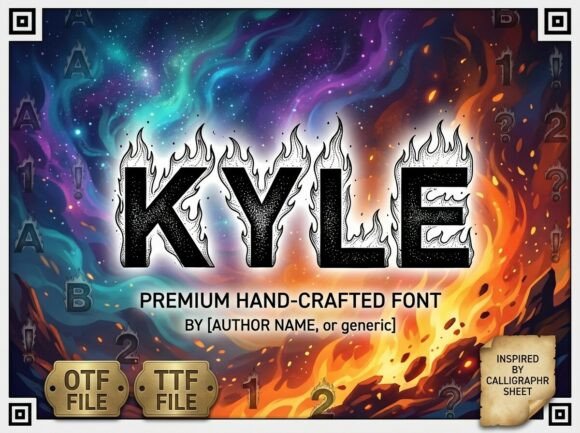
Also, pay attention to the file formats included. Having both OTF and TTF files means you’re covered for advanced design software and universal compatibility, which is practical whether you’re working in Adobe Illustrator, Canva, or even Microsoft Office for quick mockups. And since Michael is a commercial font, you’re investing in a design asset that’s cleared for professional use—important for entrepreneurs and businesses who need to protect their brand legally.
Why the Right Font Changes Everything
Typography often feels like the unsung hero of good design. It’s easy to overlook, but the right typeface can transform a mediocre layout into something memorable. Michael isn’t just another decorative font—it’s a tool for creators who want to break away from the ordinary and make a lasting impression. Its strong visual personality means it does the heavy lifting for you, allowing other design elements to breathe while still commanding attention.
Whether you’re a small business owner refining your brand identity, a content creator building a visual style, or a designer looking for a reliable display typeface, Michael offers a blend of artistry and practicality that’s hard to find. It’s a reminder that great design often starts with the details—and in the world of visual communication, few details are as powerful as the right font.