JP Play Ball: A Retro Font for Modern Sports and Branding
Capturing the energy of a Friday night game or the classic feel of a vintage sports jersey in a digital design can be a challenge. You need a typeface that doesn't just sit on the page but carries a story, evokes a specific emotion, and immediately sets a tone. This is where a font like JP Play Ball enters the picture. It’s not just a collection of letters; it’s a stylistic shorthand for athleticism, nostalgia, and bold, confident communication. For designers and creators looking to inject that retro, collegiate vibe into their work, this display font offers a compelling solution.
The Athletic Aesthetic: More Than Just a Pretty Face
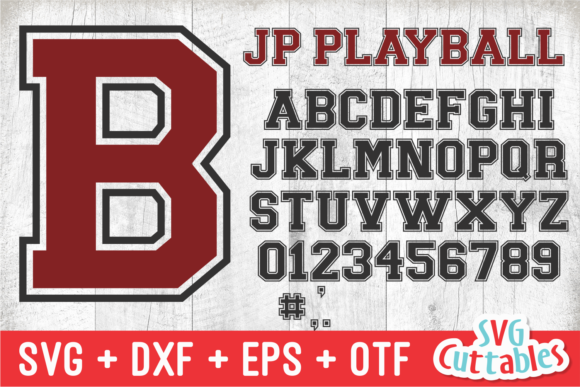
At its core, JP Play Ball is a display font, meaning its primary purpose is to make a visual impact in headlines, logos, and short bursts of text. Its design is unmistakably athletic and retro, drawing inspiration from classic American sports typography. Think of the lettering on vintage baseball caps, old-school team pennants, or the bold numerals on a throwback jersey. The letterforms have a confident, slightly condensed structure with strong vertical lines and distinctive, often angled, terminals. This gives the typeface a sense of forward motion and energy.
What makes it visually appealing is this specific personality. It avoids the coldness of a generic sans serif font and the formality of a traditional serif font. Instead, it occupies a unique space that feels both familiar and fresh. The retro styling isn't overly ornate; it's clean enough to feel contemporary while still carrying that nostalgic weight. This balance is crucial. It allows the font to feel relevant for modern web design and social media graphics while tapping into a powerful sense of heritage and tradition.
From Brand Identity to Packaging: Practical Applications
The true test of any creative font is its versatility in real-world projects. JP Play Ball shines in scenarios where you need to communicate strength, teamwork, competition, or a classic, all-American feel. Its applications are surprisingly broad once you start thinking in terms of mood and message.
- Branding and Logo Design: This is a natural fit. A local sports league, a fitness coach, a vintage-inspired apparel brand, or even a retro diner could use this font as the cornerstone of their brand identity. It creates instant recognition and sets a clear aesthetic direction. Pair it with a clean sans serif font for body text to create a professional and balanced hierarchy.
- Packaging Design: Imagine a craft beer label for a "Stadium Series" IPA, a line of protein bars, or artisanal hot sauce with a "game day" theme. The font on the packaging immediately tells the customer what kind of experience to expect, enhancing shelf appeal through strong visual storytelling.
- Marketing Assets and Social Media: For social media graphics, a bold display font cuts through the noise. Use it for Instagram story headlines, Facebook ad copy, or YouTube thumbnails to grab attention quickly. It’s perfect for promoting events like tournaments, sales, or community games. The font itself becomes a key part of the visual engagement strategy.
- Print Materials and Merchandise: The applications extend to posters for local sports events, team roster sheets, t-shirt designs, and mugs. For editorial design, it can be used for pull quotes or section headers in a magazine or blog about sports history or fitness. Its strong presence makes it ideal for any print material where you need text to be seen from a distance.
Using a consistent premium font like this across different touchpoints—from your website header to your email newsletter banner to your product tags—strengthens visual consistency. This repetition builds brand recognition, making your project or business more memorable and professional in the eyes of your audience.
Making It Work: Pairing, Readability, and Licensing
Choosing a font with a strong personality is just the first step. Implementing it effectively requires a bit of strategy. The most important consideration is readability. As a display font, JP Play Ball is not designed for long paragraphs of body copy. Its unique letterforms are optimized for impact at larger sizes. Using it for a 500-word blog post would likely hinder readability and frustrate your audience. Instead, reserve it for headlines, subheadings, logos, and other short-form text where its character can be fully appreciated.
This brings us to font pairing. A successful design often combines a decorative or impactful font with a more neutral one. For JP Play Ball, consider pairing it with a highly legible sans serif font like Open Sans, Lato, or Montserrat for body text. This contrast allows the display font to do its job—command attention—while the supporting text remains easy to read. You might also experiment with a script font or a handwritten font for a secondary accent, but use this sparingly to avoid a cluttered look. The goal is harmony, not competition.
Before finalizing any project, always test your typography in context. View your logo on a mobile screen and a desktop. Print out a sample of your poster. Check the spacing between letters (kerning) at the size you plan to use. Does the text remain clear and impactful? This testing phase is non-negotiable for professional design assets.
Finally, understand the licensing. Most commercial fonts, including quality display fonts, require a license for commercial use. This means if you're using JP Play Ball for a client's logo, a product you sell, or a monetized website, you need to ensure you have the correct license. Reputable font foundries and marketplaces are clear about their terms. Always review the licensing details—whether it's a desktop license, web font license, or an extended license for merchandise—to avoid legal issues down the line. This is a standard part of professional practice and protects both you and the font's creator.
Finding Your Creative Angle
The description of JP Play Ball states that "the only limit is your imagination," and that’s largely true. While its athletic roots are clear, skilled designers can push its boundaries. Could it work for a music festival with a retro theme? A podcast about classic cinema? A children's sports camp? The key is to look beyond the obvious and focus on the core qualities: boldness, nostalgia, and energy.
Think about the emotion you want to evoke. Does your project call for a sense of competition, celebration, heritage, or fun? If so, this typeface provides a direct visual pathway to that feeling. It’s a specialized tool in a designer's toolkit. Like any tool, its value is realized through thoughtful application. By considering its strengths in logo design, its role in building a cohesive brand identity, and the practicalities of pairing and licensing, you can effectively harness its retro charm for a wide array of modern creative projects.