Jasmina: Where Calligraphic Soul Meets Modern Design
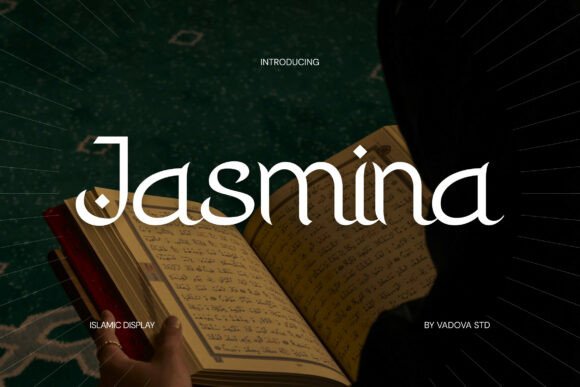
There are moments in design when you need to convey more than just a word—you need to convey a feeling. A sense of tradition, spirituality, or deep cultural reverence that standard sans-serifs simply cannot capture. This is where typography becomes an art form, specifically within the realm of Islamic and Arabic-inspired aesthetics. If you have been searching for a typeface that bridges the gap between ancient calligraphic traditions and the crisp requirements of modern digital layouts, you may have just found your solution. Enter Jasmina, a refined Islamic display font that brings a distinct sense of elegance and spiritual depth to any visual communication project.
The Visual Language of Elegance
At its core, Jasmina is a study in balance. It draws its primary inspiration from Arabic aesthetics, but it isn't a direct translation of a specific script. Instead, it is a stylized display font that captures the spirit of that tradition. You will notice the influence immediately in the curves and terminals of the letterforms. Unlike sharp, geometric modern typography, Jasmina features soft, flowing terminals and decorative serif forms that mimic the brushstroke of a skilled calligrapher.
What makes this premium font visually appealing is its ability to be ornate without becoming illegible. Many decorative fonts sacrifice readability for style, but Jasmina maintains a graceful structure. The subtle calligraphic influences give the text a rhythmic quality, almost as if the letters are dancing across the page. It avoids the heavy, blocky look of traditional serif fonts, opting instead for a lighter, more spiritual visual tone. This makes it an incredibly versatile tool for designers who want to inject a sense of luxury and history into their work without looking outdated.
Practical Applications: From Packaging to Pixels
The true test of a creative font is how well it adapts to different mediums. Jasmina shines because it is provided in high-quality font formats, ensuring it renders beautifully in both digital and print applications. You don't need additional plugins or complex software to make it work; it integrates seamlessly into standard design workflows.
For businesses and creators in specific niches, this typeface is a game-changer. Consider the following scenarios where Jasmina elevates the work:
- Cultural and Religious Events: This is the font's natural habitat. It is perfect for Ramadan and Eid promotions, mosque branding, and wedding invitations. It conveys the sanctity and joy of these occasions instantly.
- Luxury Packaging: If you are designing for a high-end product that draws from traditional ingredients or heritage—such as artisanal perfumes, teas, or textiles—Jasmina provides the necessary prestige. It signals to the customer that the product inside is crafted with care.
- Editorial Layouts: In editorial design, drop caps and pull quotes need to stand out. Using Jasmina for headers in a magazine or book focused on culture, history, or spirituality can set the perfect mood.
- Modern Branding: Don't limit this to traditional uses. Modern fashion brands or lifestyle influencers often look for a "calm yet expressive" identity. Jasmina works beautifully for logo design where the goal is to be distinctive and serene.
Integrating Jasmina into Your Brand Identity
Building a cohesive brand identity relies heavily on consistency. If your brand voice is calm, spiritual, or luxurious, your typography must reflect that. Jasmina acts as a visual anchor for these values. When used as a primary logo font or a secondary accent typeface, it helps improve brand recognition because it is so distinct.
However, working with a highly stylized display font requires a strategy. You cannot simply replace your body text with Jasmina and call it a day. Here is how to get the most out of it:
1. The Art of Font Pairing
Because Jasmina has such a strong personality, it needs a grounding partner. It pairs exceptionally well with clean, geometric sans-serif fonts. Think of fonts like Montserrat, Open Sans, or Lato. The neutrality of the sans-serif allows the intricate details of Jasmina to pop without overwhelming the viewer. Avoid pairing it with other script fonts or highly decorative serifs, as this will create visual chaos.
2. Hierarchy and Readability
Use Jasmina for headers, titles, and short bursts of text. It is designed to be admired at larger sizes where the curves and terminals can be fully appreciated. For long-form body copy, stick to a legible serif or sans-serif. This contrast creates a professional presentation that guides the reader's eye naturally from the decorative headline to the informative body text.
3. Testing Across Mediums
Before finalizing a design, test how the font looks on both screen and paper. Since Jasmina is optimized for web design and print, it should hold up well, but always check for kerning (letter spacing) at smaller sizes. On social media graphics, where attention spans are short, a bold, clear rendering of Jasmina can stop the scroll and increase engagement.
Enhancing Visual Communication and Audience Connection
Typography is rarely just about aesthetics; it is about psychology. The right font can make a brand feel trustworthy, luxurious, or approachable. For the target audience of Jasmina—likely adults aged 20 to 50 who appreciate culture, design, and quality—this font signals authenticity.
When a small business owner uses a commercial font like Jasmina for their marketing assets, they are telling their customers that they care about the details. It moves a brand away from looking "generic" or "homemade" and toward a look that is polished and intentional. Whether it is used on merchandise like tote bags and t-shirts, or on digital products like e-book covers and course materials, the typography sets the expectation of high value.
Furthermore, in a globalized market, visual cues that nod to specific cultural aesthetics can help niche brands connect more deeply with their communities. Jasmina provides a bridge, respecting traditional calligraphic roots while speaking the language of modern typography.
Final Thoughts on Selection and Licensing
When choosing a font like Jasmina, it is essential to review the licensing. As a premium font, it typically comes with a license that covers both personal and commercial use, but you should always verify the terms regarding the number of users or specific types of merchandise if you plan to scale your business.
Take the time to explore the different weights and styles included with the typeface. Variations in weight can offer versatility, allowing you to use the lighter version for subtle elegance and the bolder version for high-impact headers. By understanding the full potential of the font files, you ensure that your design assets are robust and ready for any challenge.
In the end, choosing a font is a creative decision that impacts the entire lifecycle of a project. Jasmina offers a rare blend of spiritual grace and commercial viability, making it a worthy addition to any designer's toolkit.