Freedom Usa: The Three-Layered Font for Bold American Designs
There’s a moment in every design project where the typography either sings or falls flat. You’ve nailed the concept, chosen the perfect color palette, and the layout feels right—but the font? It needs to carry weight, personality, and instant recognition. That’s where a display typeface with built-in dimension, like Freedom Usa, enters the picture. This isn’t just another decorative font; it’s a three-layered system designed to give your text a striking, shadowed presence that feels both classic and commanding.
Imagine a typeface that captures the spirit of American heritage without relying on cliché clip art or overly rustic textures. The letters are bold, structured, and patriotic, with a layered construction that lets you add a unique shadow effect with a single click. You’re not just typing words—you’re building a visual statement. For anyone working on projects tied to U.S. themes—whether it’s a Fourth of July promotion, a local brewery’s branding, or a vintage-inspired poster—this kind of built-in depth saves time and elevates the final product.
More Than a Font: A Toolkit for Visual Impact
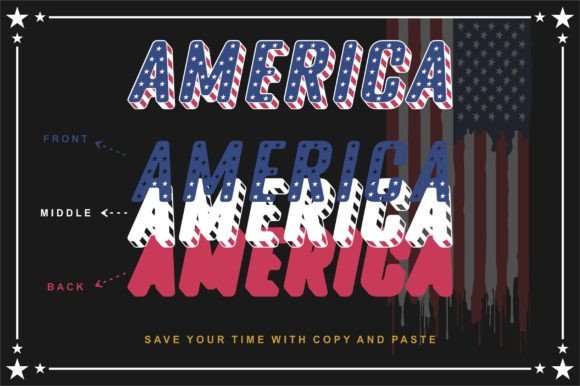
What makes a premium font like this worth considering? It’s the versatility hidden in its layers. The three included styles—likely a base layer, a shadow layer, and perhaps an outline or inline version—work together to create a cohesive, multidimensional look. Instead of manually adding drop shadows or outlines in your design software, you can switch between font styles to achieve a professional, consistent effect. This is particularly useful for:
- Logo design, where a slight shadow can add depth without complicating the vector file.
- Poster and banner creation, ensuring text remains legible and eye-catching from a distance.
- Social media graphics, where standing out in a crowded feed is crucial.
The key is understanding how to use each layer. The base font provides the solid shape, the shadow layer adds dimension, and the third style might offer a distressed or inline detail for vintage flair. By toggling these on and off, you can adapt the same typeface to different tones—from clean and modern to rugged and nostalgic.
Matching Typography to Project Goals
Choosing a display font is about more than aesthetics; it’s about communication. A bold, layered typeface like this one communicates strength, tradition, and confidence. It’s ideal for projects where you want to evoke a sense of Americana, craftsmanship, or bold patriotism. Think about:
- Branding for local businesses: A craft distillery, a BBQ restaurant, or a outdoor apparel company could use this font to anchor their visual identity, pairing it with a clean sans-serif for body text.
- Event invitations: For a backyard gathering, a community fundraiser, or a themed wedding, the font sets the mood before guests even read the details.
- Merchandise and packaging: On T-shirts, hats, or product labels, the layered effect adds a tactile, premium feel that customers associate with quality.
However, context matters. A font with strong shadow effects might overwhelm a minimalist website header but could be perfect for a hero image or a call-to-action button. Always consider the viewing environment. Will the text be small on a mobile screen? Large on a printed banner? Adjust the layering accordingly—sometimes using just the base style for smaller applications to maintain readability.
Practical Tips for Implementation and Pairing
Once you’ve decided to use a typeface like Freedom Usa, the real work begins: integrating it effectively into your design system. Here’s how to approach it:
- Review all included styles. Don’t just install and use the first weight you see. Open each style in a font preview tool or your design software to understand how the layers interact. You might find that the shadow layer works best at a certain size or color combination.
- Test font pairings rigorously. A decorative display font needs a counterpart for longer text. Pair it with a highly readable serif or sans-serif font for body copy. For example, the bold, structured letters of this patriotic display font would contrast well with a simple, geometric sans-serif for paragraphs, creating a balanced hierarchy.
- Consider the commercial license. If you’re using the font for client work, merchandise, or digital products you plan to sell, ensure you have the correct license. Many premium fonts offer different tiers for personal and commercial use. Reading the license agreement prevents legal headaches down the road.
- Play with color and texture. The layered nature of the font allows for creative color choices. Try using a darker shade for the shadow layer to enhance the 3D effect, or a complementary color for a more playful look. You can also apply subtle textures to the base layer to reinforce a vintage theme.
Remember, typography is a tool for storytelling. A font like this doesn’t just display words; it tells a story of pride, boldness, and tradition. Use it to anchor campaigns around national holidays, historical events, or brands that embody American values. For content creators, it can make YouTube thumbnails, podcast covers, or blog headers instantly recognizable.
Elevating Brand Recognition and Professionalism
Consistency is the bedrock of strong brand identity. When you use a distinctive typeface across multiple touchpoints—your website, social media profiles, print materials, and packaging—you create a visual thread that ties everything together. Customers begin to recognize your brand not just by your logo, but by your typography. A unique, layered font accelerates this recognition because it’s visually complex yet coherent.
Moreover, investing in a well-crafted commercial font signals professionalism. It shows attention to detail and a commitment to quality, which can subconsciously influence how your audience perceives your products or services. In a market saturated with default system fonts and overused free typefaces, a premium display font can be the differentiator that makes your design feel intentional and polished.
Ultimately, the goal is to communicate more effectively. Whether you’re designing a poster for a local event, creating social media graphics for a marketing campaign, or developing brand assets for a new business, the right typography makes your message clearer and more memorable. By choosing a font that aligns with your project’s personality and using its features thoughtfully, you transform simple text into a powerful visual element that engages your audience and reinforces your message.