Dive into Design: Crafting a Living Brand with Hex
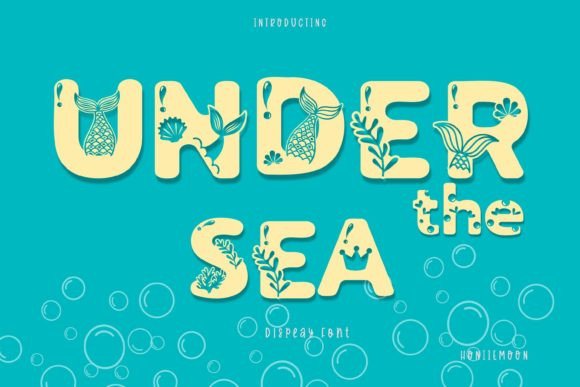
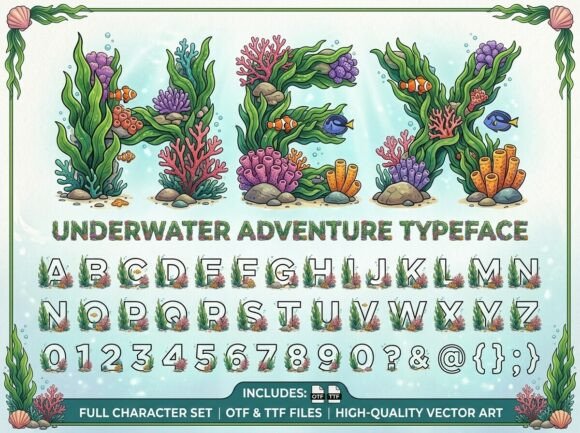
Imagine a typeface that doesn't just sit on the page, but breathes with the rhythm of the ocean. This is the experience of working with Hex, a premium illustrated display font that transcends traditional typography. It’s a visual journey where bold, clean-lined sans-serif letterforms are transformed into thriving coral ecosystems. Every character in this unique typeface serves as a vibrant habitat for hand-drawn marine life—swaying kelp forests that wrap around crossbars, prickly sea urchins nestled in bowls, intricate brain corals forming the texture of a serif, and colorful tropical fish darting through negative space. This isn't just a font; it's a naturalist-explorer's sketchbook brought to life, offering a stunning visual detail that can elevate a project from ordinary to unforgettable.
The Anatomy of a Deep-Sea Display Typeface
What makes Hex so visually captivating is its dual nature. At its foundation, it’s a sturdy, modern sans serif font. The letter shapes are clear, balanced, and highly legible even at smaller sizes, which is a critical feature for any display typeface intended for real-world use. This clean architecture ensures your message remains readable. The magic happens in the layer of intricate illustration that adorns each glyph. This hand-drawn detailing is not random; it’s curated to evoke the wonder of a marine biologist’s field guide. The result is a typeface with immense personality, perfect for projects that need to communicate wonder, depth, and a connection to the natural world. It’s a creative font that doesn’t sacrifice clarity for artistry.
Practical Applications: Where Does a Font Like This Shine?
The true value of a specialized design asset like Hex lies in its application. Its "ocean-odyssey" aesthetic makes it a standout choice for a specific, yet powerful, range of projects. Consider how it could transform the visual identity of a boutique aquarium, a marine conservation nonprofit, or a high-end seafood restaurant. For branding, it instantly builds a unique and memorable brand identity. Imagine the logo for an eco-tourism company or a children's marine education program rendered in Hex—immediate visual storytelling.
Beyond logos, its utility extends across numerous creative and commercial domains:
- Packaging Design: For artisanal sea salts, sustainable seafood products, or tropical fruit juices, Hex on the label communicates quality and a specific origin story.
- Editorial & Print Layouts: Use it for captivating chapter titles in a travel magazine, headings for a nature blog, or the cover of a documentary film poster. It turns a simple poster for an environmental fundraiser into a high-impact visual statement.
- Digital Presence: As a web design element, it can make a homepage header or a "About Us" page for a marine research institute absolutely unforgettable. For social media graphics, it’s a tool for creating cinematic headers and engaging posts that stop the scroll. Think of a series of Instagram stories for a scuba diving brand or a Pinterest pin for a coastal wedding invitation suite.
- Merchandise & Invitations: It’s ideal for creating unique merchandise like tote bags or notebooks for a nature enthusiast audience. Wedding invitations for a beach-themed ceremony or milestone birthday parties with a tropical vibe gain an unparalleled level of thematic detail.
Integrating Hex into Your Design Workflow
Using a display font with this level of visual complexity requires a thoughtful approach. Here’s some practical advice for designers, entrepreneurs, and content creators looking to incorporate it effectively.
Purpose First, Font Second: Always start with your project’s goal. Is it to educate, to sell, to entertain? Hex is a specialist. It’s not for body copy. Its strength is in headlines, logos, and short, impactful text where its details can be fully appreciated. Pair it wisely. A beautiful font pairing is key. Let Hex be the star of the show and use a simple, clean sans serif or a elegant serif font for longer paragraphs. This contrast ensures readability and prevents visual clutter.
Testing is Non-Negotiable: Before finalizing, test how the font looks in context. View it at the actual size it will be used, both on screen and in print. Check the legibility of individual letters and words. Review all the included font styles—does it come with multiple weights, or perhaps a set of complementary decorative elements? Understanding your full toolkit is part of professional presentation.
Licensing for Commercial Projects: This is a crucial step many overlook. If you’re using Hex for client work, merchandise for sale, or digital products, you must ensure you have the correct commercial license. Premium fonts come with clear licensing terms that protect both the creator and you. Always review the license agreement to understand where and how you can use the typeface, avoiding legal headaches down the line.
Beyond Aesthetics: The Strategic Value of a Unique Typeface
Choosing a typeface like Hex is more than an aesthetic decision; it’s a strategic one for building brand recognition. In a crowded market, a unique and memorable visual identity is a powerful asset. When your typography consistently reflects your brand’s core story—in this case, a story of marine wonder, exploration, and natural beauty—it builds a cohesive and professional presentation that audiences learn to recognize and trust.
This level of visual consistency across all touchpoints, from your website to your packaging to your social media, reinforces your message without you having to say a word. It transforms your brand from a generic entity into a specific experience. The engagement factor is also undeniable; people are drawn to beauty and detail. A header set in Hex doesn’t just convey information; it evokes an emotion, inviting the viewer to look closer and connect with the subject matter on a deeper level.
Ultimately, investing in high-quality design assets like the Hex typeface is an investment in clear communication and emotional resonance. It’s a tool for those who want their projects to do more than just inform—they want them to inspire. Whether you’re a designer crafting a client’s brand story, an entrepreneur building your own identity, or a creator making content that stands out, having the right visual language at your disposal makes all the difference.